In today's world, creating high-quality audio at home has become increasingly accessible, with many aspiring producers and musicians setting up their own project studios. However, navigating the vast array of recording, mixing, and monitoring equipment can be a daunting task for beginners. This comprehensive guide aims to demystify the process, offering expert insights on essential gear, from microphones and audio interfaces to monitors and cables, such as the versatile XLR cables. By the end, you'll be equipped with the knowledge to make informed decisions, ensuring your home studio delivers exceptional results.
- Choosing the Right Recording Equipment: Microphones to Digital Audio Workstations
- Understanding XLR Cables: Connections for Clear Sound
- Mixing Basics: Techniques for Balancing and Enhancing Tracks
- Monitoring with Precision: Speakers, Headphones, and Room Acoustics
Choosing the Right Recording Equipment: Microphones to Digital Audio Workstations
Choosing the right recording equipment is a cornerstone of any home or project studio setup. At the heart of your audio chain lie microphones and digital audio workstations (DAWs), which serve as the interface between your sound sources and the digital realm. Microphones convert vocal and instrumental sounds into electrical signals, while DAWs capture, process, and store these signals, providing a robust foundation for mixing and monitoring.
When selecting microphones, consider their polar patterns, which dictate how they pick up sound. Cardioid mics are popular due to their ability to reject off-axis noise, making them versatile for various applications from vocals to drums. Dynamic microphones, like Shure SM7B, are renowned for their durability and ability to handle high sound pressure levels, ideal for loud instruments or vocal performances. Condenser mics, powered by an external source or phantom power via XLR cables, offer exceptional clarity and sensitivity, making them suitable for detailed recording of acoustic instruments or vocals in controlled environments.
Digital audio workstations like Pro Tools, Ableton Live, or Logic Pro provide a comprehensive suite of tools for editing, mixing, and mastering audio. They allow you to arrange tracks, apply effects, and fine-tune your recordings using software plugins and virtual instruments. A high-quality audio interface, often integrated into the DAW, acts as the bridge between your microphones, instruments, and computer. Look for interfaces with multiple XLR inputs for professional microphones, ensuring low latency and clean signal transmission, crucial for precise monitoring and mixing.
For optimal sound reproduction during mixing and monitoring, invest in a pair of high-fidelity studio monitors or headphones. Active studio monitors like the Yamaha HS8 provide flat frequency response, ensuring your mix translates accurately across different systems and listening environments. Headphones, such as the Sennheiser HD 650, offer an immersive experience for solo listening, composition, or mixing in quiet spaces. Balancing quality microphones, a robust DAW, and precise audio equipment will elevate your home or project studio to new heights, unlocking the full potential of your creative vision.
Understanding XLR Cables: Connections for Clear Sound
XLR cables are an essential component for achieving high-quality audio in home or project studios. These robust cables, characterized by their rugged design and multiple pins, facilitate secure and reliable connections between audio equipment, including sound speakers and microphones. The key advantage of XLR lies in its ability to transmit analog audio signals with minimal loss, ensuring clear and pristine sound quality. This is particularly crucial for applications requiring high fidelity, such as professional recording sessions or live performances.
The construction of an XLR cable incorporates a central conductor, often made of copper or silver-plated copper, surrounded by insulation and then shielded to prevent interference from external signals. The shielding further reduces noise and ensures that only the intended audio signal is transmitted. At each end of the cable, you'll find a connector—a male plug on one side and a female jack on the other—allowing for easy plugging and unplugging. These connectors are designed to withstand frequent use without compromising integrity, making them ideal for studio environments where connections need to be made frequently.
When setting up your studio, consider the role of XLR cables in achieving optimal sound quality. For instance, using XLR connections between a high-quality microphone and audio interface can dramatically improve the clarity and depth of recorded vocals or instruments. Additionally, when linking power amplifiers to speakers, XLR cables ensure consistent and powerful sound projection across large spaces. Whether you're mixing music, podcasting, or streaming, investing in quality XLR cables is an investment in the overall acoustic experience—a crucial aspect for engaging and professional-sounding audio content.
Mixing Basics: Techniques for Balancing and Enhancing Tracks
Mixing is an art that transforms individual tracks into a cohesive musical experience. At its core, it involves balancing levels, managing panning, and applying effects to create depth and richness. This process demands precision and an ear for detail, especially when working with home or project studios where every element must be carefully considered within a limited budget. One fundamental aspect of mixing is ensuring each track complements the others without overwhelming the mix, a task made easier with the right audio equipment.
A key component in achieving this balance is using XLR cables to connect your microphones and audio interfaces. These cables provide a clear and robust signal transmission, crucial for precise level control during mixing. For example, when recording vocals or instruments, an XLR cable can ensure the signal remains free from noise and distortion, allowing for more accurate adjustments during the mix. High-quality XLR cables also minimize phase issues, ensuring the integrity of your audio is preserved throughout the process. Moreover, they offer a reliable connection, vital for maintaining consistency as you adjust levels and effects.
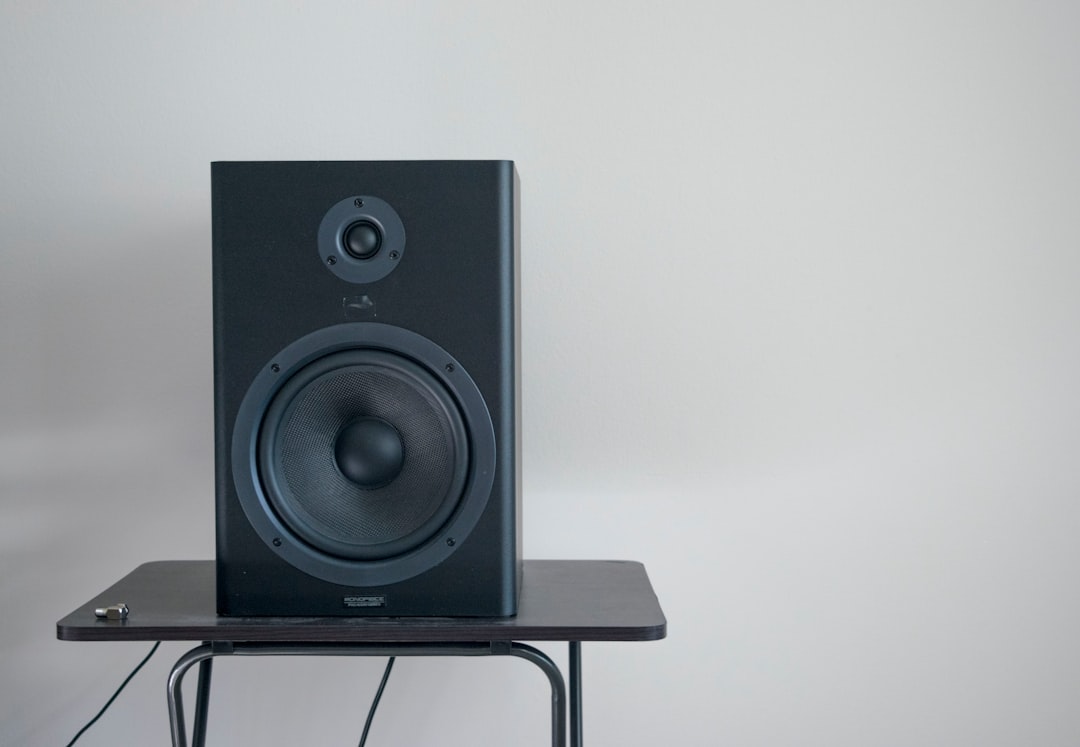
Another essential element in mixing is the role of sound speakers. The choice of monitors or studio speakers can significantly impact your ability to judge mix levels and panning accurately. Professional-grade monitors provide a flat response, enabling you to hear every detail of your mix, from the lowest bass notes to the highest treble frequencies. This precision aids in making informed decisions about EQ adjustments and panning placements. For instance, if you're mixing a song with both drums and bass, accurate monitoring allows you to ensure they don't mask each other, creating a balanced and dynamic final product.
Monitoring with Precision: Speakers, Headphones, and Room Acoustics
Precision monitoring is a cornerstone of any serious home or project studio. It allows you to mix and master audio with confidence, ensuring your final tracks sound their best across various listening environments. The right combination of speakers, headphones, and an understanding of your room's acoustics is key to achieving this.
For audio equipment, the choice of speakers plays a pivotal role in your monitoring setup. Traditional studio monitors offer flat response and low distortion, enabling accurate listening. Popular options include the Yamaha HS8, known for its clear midrange and powerful bass, and the K-3 Power, renowned for its exceptional transparency. If space is limited, compact monitors like the Focusrite Scareware 2 offer surprising performance. For a more immersive experience, consider surround sound systems, leveraging technologies like Dolby Atmos to create a multi-dimensional listening environment.
Sound speakers and headphones should complement each other in your monitoring chain. Headphones, like the Sennheiser HD 650 or Shure SRH840, offer detailed, isolated listening, ideal for critical mixing. They're less susceptible to room effects and allow for precise control over level and panning. For critical mastering, consider professional-grade studio monitors paired with headphones for a balanced assessment. XLR cables, known for their robust signal transmission, are essential for connecting these audio equipment, ensuring minimal signal loss and optimal sound quality.
Room acoustics significantly influence your monitoring experience. A poorly treated room can introduce unwanted reflections and standing waves, distorting your sound. Use acoustic treatment, such as bass traps and diffusers, to minimize these issues. For example, placing bass traps in corners can significantly reduce low-frequency buildup. Measuring your room's acoustics with a sound level meter and using software like Room EQ Wizard can help you identify and address problem areas. By optimizing your space, you gain a more accurate representation of how your music will sound to various listeners, ensuring your mixes translate well to different systems and settings.
By delving into the realms of recording equipment, mixing techniques, and monitoring solutions, this guide has equipped both novice and seasoned home studio owners with the knowledge to elevate their audio projects. From selecting the right microphones and digital audio workstations (DAWs) to understanding the intricacies of XLR cables for pristine connections, each section has provided practical insights. Mastering mixing fundamentals allows users to balance and enhance tracks seamlessly, while the importance of speaker and headphone selection, coupled with room acoustics considerations, ensures precise monitoring.
Equipped with these key learnings, readers are now empowered to make informed decisions when building or optimizing their home studios, ensuring top-quality audio outcomes for various projects.