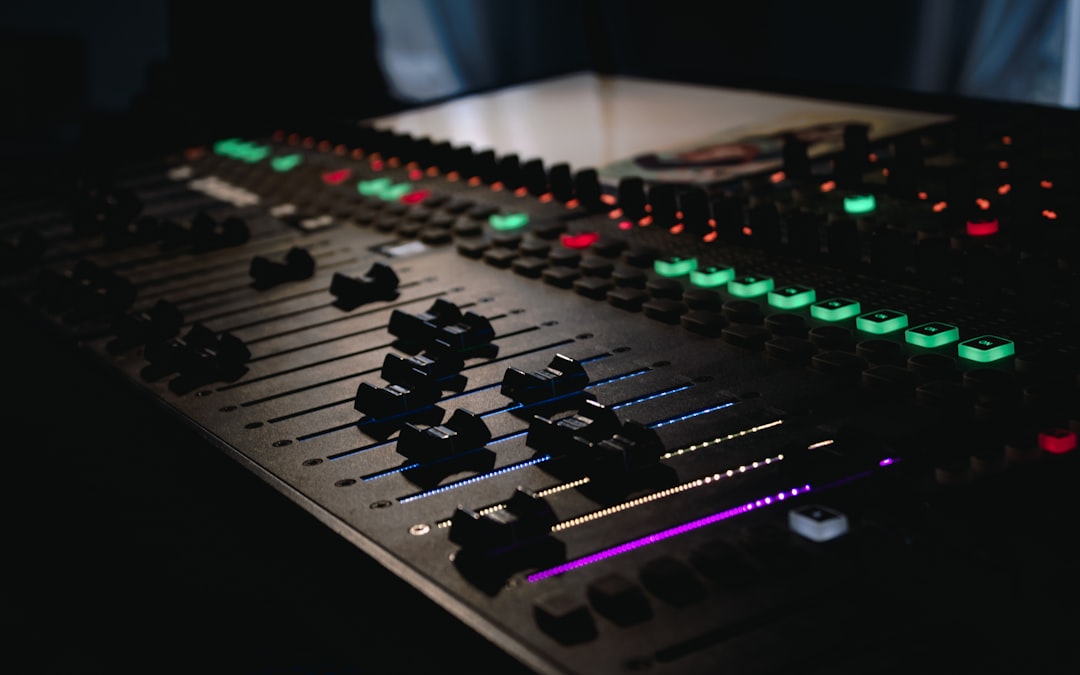
In today's digital age, creating high-quality audio at home has become more accessible than ever. Whether you're a budding musician, podcaster, or audio enthusiast, mastering the art of recording, mixing, and monitoring is crucial to achieving professional results. However, navigating the vast array of gear options can be daunting. This comprehensive guide aims to demystify the process, offering expert insights on essential equipment for both home and project studios. From choosing the right microphones to selecting studio monitors that accurately reproduce sound, we'll equip you with the knowledge to craft immersive audio experiences.
- Choosing the Right Recording Equipment for Your Studio
- Mixing Basics: Techniques for Balancing Audio Elements
- Selecting and Positioning Studio Monitors for Optimal Sound
- Monitoring and Mastering: Refining Your Audio Quality
Choosing the Right Recording Equipment for Your Studio
Choosing the right recording equipment is a cornerstone of setting up your home or project studio. The audio equipment you select will directly impact the quality and character of your recordings. Consider your budget, the type of music or content you plan to record, and the size of your space—all factors that influence your final choices. High-fidelity sound speakers, for instance, like studio monitors, are essential for accurate mixing and mastering since they reproduce sound with minimal distortion across a wide frequency range. Popular options include active studio monitors which, thanks to built-in amplification, offer precise control over volume levels and power.
For beginners, investing in quality studio monitors can be transformative. They enable you to hear your mix as the performer would, accounting for room acoustics and providing an objective listening experience. Professional-grade monitors like the Yamaha HS8 or KRK Rokit series are renowned for their flat response curves and clear midranges, ideal for mixing vocals, instruments, and electronic music. However, budget-conscious producers can still find capable options; passive speakers from brands like M-Audio or Audio-Technica offer excellent value and can be paired with affordable amplifiers.
Remember that your choice of audio equipment should align with your artistic vision. Experiment with different models to find the sound that feels right for you. Additionally, consider the physical setup: placement, distance, and orientation of speakers within your studio. Proper positioning enhances stereo imaging and helps pinpoint problem areas in your mix. As your studio evolves, so too will your audio needs; staying informed about industry trends and seeking advice from experienced peers can help ensure that your recording equipment remains a powerful tool for creative expression.
Mixing Basics: Techniques for Balancing Audio Elements
Mixing audio is an art and a critical step in transforming raw sound recordings into cohesive, high-quality tracks. At its core, it's about balancing various audio elements—instruments, vocals, and effects—to create a well-harmonized soundscape. This process demands attention to detail and a keen ear for precision. One of the most vital tools in achieving this balance are studio monitors, specifically designed sound speakers that provide an accurate representation of the mix. They serve as your guide, revealing subtle nuances and ensuring the final product translates well across different listening environments.
A fundamental technique in mixing is equalization (EQ), which allows you to shape the frequency response of each element. For instance, using EQ, you can enhance the midrange for vocals to ensure they cut through the mix without getting lost among instruments. Similarly, cutting low frequencies from a drum track can reduce boomy sounds and improve overall clarity. Monitoring these adjustments on studio monitors enables you to gauge their impact in real-time, making it easier to fine-tune your mix.
Another crucial aspect is panning, which places audio elements across the stereo field. This technique creates depth and space in your mix. For example, placing a guitar track slightly to the left and right can simulate a natural, spacious soundstage. Studio monitors, with their accurate imaging capabilities, play a pivotal role here, as they help you visualize the panning effect and ensure that the pan positions align with your intended stereo image. By carefully balancing these elements using audio equipment like EQ and panning controls, you can create a mix that is both engaging and well-balanced, ready for mastering and eventual release.
Selecting and Positioning Studio Monitors for Optimal Sound
Selecting studio monitors is a critical step in optimizing your home or project studio's sound. The right speakers can transform raw audio into a rich, immersive experience, enhancing both recording and mixing processes. When choosing studio monitors, consider factors like driver type (e.g., woofer, tweeter), power handling, frequency response, and construction quality. High-fidelity models with accurate sound projection and minimal distortion are ideal for critical listening and mixing.
Positioning your chosen studio monitors is equally vital. General guidelines suggest placing them at ear level or slightly above to avoid acoustic anomalies caused by floor reflection. However, room acoustics play a significant role; treating issues like echo or standing waves can dramatically improve sound quality. Experiment with monitor placement relative to microphones, control rooms, and other reflections points for the best results. For example, positioning monitors 4–6 feet away from a mixing console is often ideal, allowing for both comfortable listening distances and optimal interaction with the audio field.
In addition to selecting and placing studio monitors, integrating them with your existing audio equipment is crucial. Ensure your amplifiers can drive the speakers efficiently while maintaining sound integrity. Proper crossover networks and equalization settings also contribute to a balanced frequency response. Regularly calibrate your system using measurement tools or professional assistance to account for room acoustics changes over time. By carefully considering these aspects, you'll create an environment where your studio monitors can deliver their full potential, enhancing your overall audio experience.
Monitoring and Mastering: Refining Your Audio Quality
Mastering the art of monitoring and mastering is a crucial step in the recording process, ensuring your audio reaches its full potential. In a home or project studio, achieving critical listening and accurate mixing requires specific tools: studio monitors. These speakers are designed to reproduce sound accurately, providing a flat frequency response and low distortion, allowing you to hear every detail of your mix.
The choice of studio monitors is diverse, catering to various budgets and requirements. For example, active studio monitors offer built-in amplification, making them versatile and convenient, while passive monitors, though requiring an external amp, often deliver warmer and more detailed sound. Popular brands like KRK, M-Audio, and Yamaha offer models suitable for different spaces and mixing needs. When selecting your monitors, consider the size of your room and the type of music you produce. Smaller rooms may require smaller, more precise monitors, while larger spaces benefit from larger speakers to fill the environment.
During the mastering phase, the role of high-quality audio equipment becomes evident. Studio monitors, along with a robust audio interface and precise measurement tools, enable you to fine-tune your mix. Utilize room acoustic treatments to minimize reflections and standing waves, ensuring a clear and accurate sound picture. Tools like an audio analyzer can help you measure frequency response, allowing you to make informed adjustments. For instance, a 3D audio software can reveal sound stage depth and width, enabling you to create a well-balanced mix. Regularly compare your mixes on different monitor setups to develop an acute sense of sound and ensure your audio translates well across various listening environments.
Frequently Asked Questions About Recording, mixing and monitoring gear guides for home and project studios.
What are the essential components of a home studio setup? A home studio requires a good quality microphone, an audio interface to connect microphones and instruments to your computer, headphones for monitoring, and software like digital audio workstations (DAWs) for recording, editing, and mixing. Additionally, a pop filter, shock mount, and room treatment can significantly improve the overall sound quality.
How do I choose the right microphone for my needs? The type of microphone you need depends on what you plan to record. For vocals, a dynamic or condenser mic is ideal. Condensers are great for detailed recordings like instruments or vocals with ambient noise. Dynamic mics are robust and perfect for live performances or capturing powerful sounds without needing a pop filter. Consider your budget and intended use when selecting.
What is the difference between analog and digital audio interfaces? Analog interfaces connect directly to your hardware, providing low-latency recording but limited input/output options. Digital interfaces offer more inputs and outputs, better sound quality, and easier control through software. They're versatile for home studios, enabling you to record multiple instruments and microphones simultaneously.
How can I improve the acoustics of my recording space? Room acoustics significantly impact your recordings' quality. Treatments like acoustic panels, diffusers, and bass traps absorb reflections and standing waves, enhancing the overall sound. Additionally, positioning your microphone and source strategically within the room can reduce unwanted reverberation and echo.
What software should I use for mixing and editing? Several professional-grade digital audio workstations (DAWs) are available, many with free trials. Popular choices include Ableton Live, FL Studio, Logic Pro, and Pro Tools. These programs offer a wide range of features for recording, editing, mixing, and mastering your music. Your choice depends on your budget and preferred workflow.
How do I set up monitoring speakers for accurate listening? For critical listening, high-quality headphones are essential. Additionally, setting up monitors or studio speakers involves placement considerations to avoid phase cancellation or distortion. Aim for a setup where you can easily move around while listening without noticing any significant changes in sound. Room acoustics play a crucial role in achieving natural and accurate monitoring.
By equipping yourself with the right recording gear, mastering mixing techniques, and strategically placing studio monitors, you've now unlocked the door to achieving professional-grade audio in your home or project studio. This guide's comprehensive approach ensures you understand not just the what, but the why and how of each process, empowering you to make informed decisions and continually refine your audio quality. Whether you're a seasoned producer or just beginning, these foundational skills are essential tools for crafting compelling, high-fidelity soundscapes. Take these insights, apply them, and watch as your creative vision comes to life with unprecedented clarity and impact.