In today's digital age, the art of music creation has democratized, empowering individuals to establish their home or project studios. However, the journey from raw recordings to polished tracks is fraught with challenges, particularly in the realms of recording, mixing, and monitoring. This guide aims to equip aspiring and established producers alike with the knowledge to navigate this landscape, focusing on essential gear such as headphone amps. By delving into the nuances of equipment selection, we'll unlock the secrets to achieving professional-grade results, ensuring your creative vision materializes seamlessly.
Selecting Essential Recording Gear for Your Studio
When setting up your home or project studio, selecting the right recording gear is a crucial step towards achieving professional-grade results. The foundation of any studio lies in its ability to capture and manipulate sound accurately, and this starts with a robust setup that includes essential audio equipment. At the heart of many modern recording setups is the headphone amp—a versatile component that enhances both monitoring and critical listening sessions.
Choosing the right headphone amp ensures you can accurately mix and master your tracks, as it provides precise control over volume levels and frequency response. For example, a high-fidelity headphone amp with adjustable gain settings allows you to fine-tune the sound for different types of headphones or personal preferences. Integrating this with quality sound speakers will further enhance your monitoring experience, providing an accurate representation of the mix across a wide frequency range. Many professional engineers advocate for the use of reference monitors or studio-grade speakers alongside headphone amps to create a balanced and consistent listening environment.
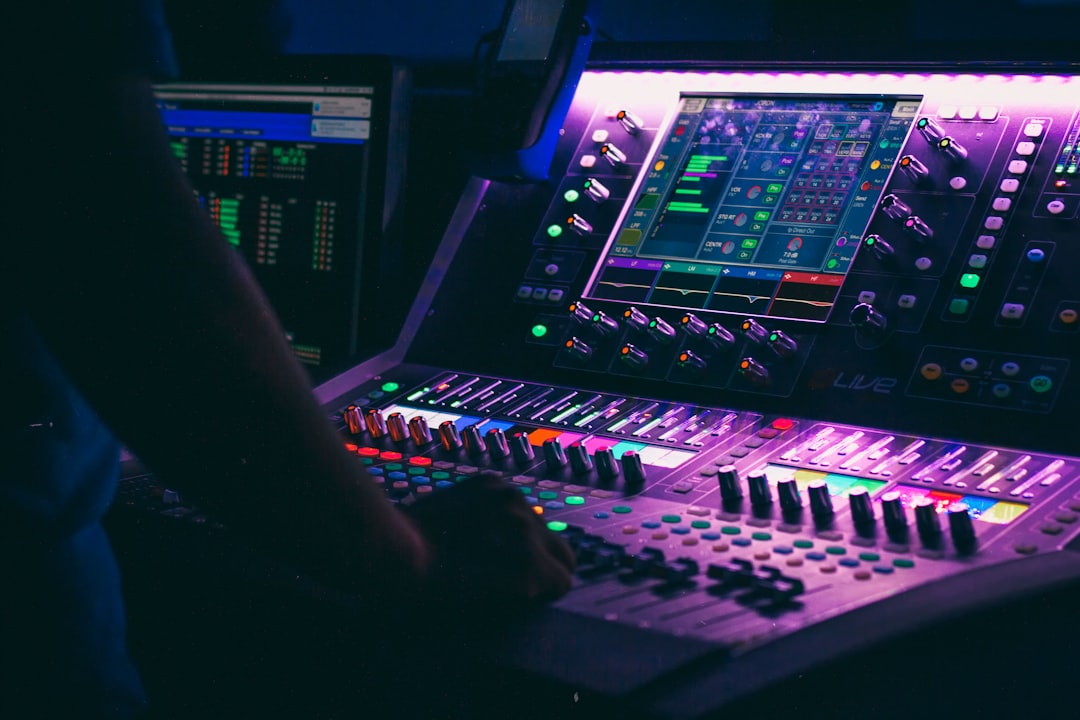
Another vital piece of audio equipment in your arsenal is a versatile multi-channel mixer. This device allows you to record, route, and process multiple input signals simultaneously, making it indispensable for tracking instruments and vocal performances. Consider the number of inputs and outputs required based on your setup—for instance, a four-track mixer might be suitable for an intimate home studio, while larger projects may necessitate a 16-channel or more robust mixing console. Additionally, look for features like built-in effects processors, MIDI connectivity, and phantom power for microphones to enhance your recording capabilities.
Remember that building a studio is an iterative process, so start with the essentials and gradually expand based on your needs and budget. Investing in quality headphone amps and audio equipment will not only elevate the sound of your recordings but also provide a solid foundation for future upgrades.
Mastering Mixing Techniques with a Headphone Amp
Mastering the art of mixing audio is a crucial step in creating high-quality recordings, whether for music production or podcasting. One often-overlooked tool in this process is the headphone amp, a versatile component that plays a significant role in both monitoring and critical listening. This section delves into the techniques and benefits of utilizing a headphone amp, guiding users through the process of achieving precise and professional-sounding mixes.
When it comes to mixing, the headphone amp acts as a bridge between your studio's main system and the headphones you use for monitoring. It allows for a more accurate representation of the mix by providing a controlled and isolated listening experience. Unlike relying solely on sound speakers, which can introduce room acoustics and potential monitoring biases, a headphone amp offers a flat and transparent sound path. This is particularly valuable for fine-tuning levels, panning, and stereo imaging without the influence of external speakers. For example, a high-quality headphone amp can ensure that the bass is tight and controlled, the midrange is clear, and the highs are crisp, all while maintaining a balanced soundstage.
The process involves setting up your headphone amp and calibrating it to your monitoring environment. Many modern headphone amps offer features like room correction algorithms, which compensate for the unique acoustic properties of your space. By connecting your headphones and using the amp's measurement tools, you can adjust the equalization to match your room's response. This ensures that what you hear through your headphones is an accurate representation of the mix, regardless of the space you're in. For instance, a 20 Hz cut at -3 dB might be necessary to eliminate boomy bass frequencies in a room with enhanced low-end response. This level of control is invaluable for achieving a consistent mix across different listening environments.
Once calibrated, the headphone amp becomes an indispensable tool for mixing. It enables you to critically assess every element of your mix, from vocal clarity to instrument separation. By isolating specific sounds and creating a personalized listening experience, you can make informed decisions about effects processing, panning, and overall mix balance. For audio equipment enthusiasts, the headphone amp offers a direct connection to the sound, allowing for a more intuitive and precise mixing process. Whether you're producing music, editing podcasts, or sound designing, incorporating a headphone amp into your home or project studio setup can significantly enhance your creative workflow and the final product's quality.
Optimizing Monitoring for Accurate Audio Production
Accurate audio production requires precise monitoring, and one of the often-overlooked components in achieving this is the headphone amp. As a central link in the audio signal chain, the headphone amplifier directly impacts the sound you hear while mixing, making it a critical element for critical listening. High-quality headphone amps offer a flat frequency response, minimal distortion, and low noise levels, enabling you to make informed decisions about your mix.
When optimizing your monitoring setup, consider the unique characteristics of different headphone amp types. Tube headphone amps, for instance, are renowned for their warm, natural sound that can enhance the perception of space and detail in your mix. Solid-state amps, on the other hand, often deliver accurate, transparent sound reproduction, ideal for precise instrumental tracking and mixing. Active noise-canceling headphones, a modern innovation in audio equipment, can also be beneficial, blocking external sounds and allowing for a more controlled listening environment. Integrating these elements, along with high-fidelity sound speakers, into your project studio setup ensures that the audio you produce translates accurately across various listening contexts.
Additionally, leveraging room acoustic treatment can significantly enhance monitoring accuracy. Reflecting and absorbing sound waves in your studio space can reduce unwanted reflections and standing waves, creating a more neutral and predictable listening environment. This treatment, combined with the right headphone amp and sound speakers, allows you to rely on your ears more confidently when mixing and mastering. By addressing these aspects, you can be sure that your audio production is as true to the original source material as possible.