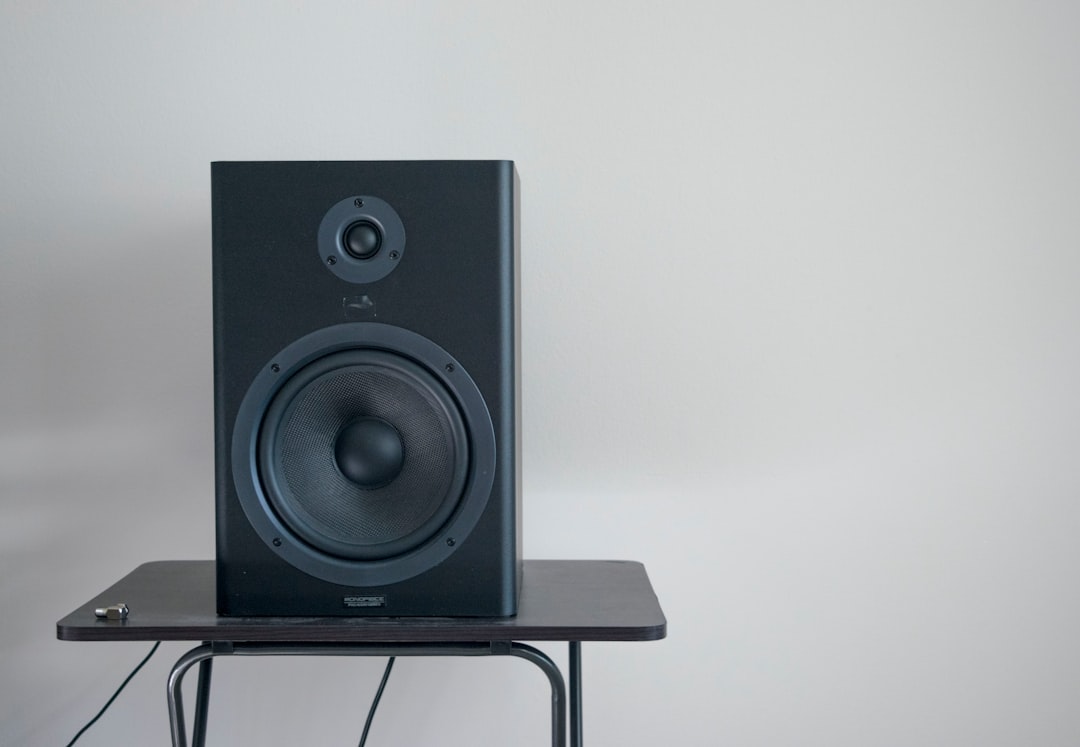
In today's digital music landscape, the ability to record, mix, and monitor high-quality audio at home or in a project studio has become essential for musicians, producers, and enthusiasts alike. However, navigating the vast array of gear options can be overwhelming. This guide aims to provide an authoritative, comprehensive overview tailored for both beginners and seasoned professionals. We'll delve into the crucial components of recording, mixing, and monitoring setups, offering practical insights on choosing and utilizing studio monitors to achieve professional-grade results in your personal creative space.
- Choosing the Right Recording Equipment for Your Studio
- Mastering Mixing: Techniques and Tools for Balanced Sound
- The Importance of Studio Monitors for Accurate Mixing
- Monitoring and Quality Control: Refining Your Audio Output
Choosing the Right Recording Equipment for Your Studio
When setting up a home or project studio, choosing the right recording equipment is paramount to achieving professional-quality results. Your selection of audio equipment, particularly studio monitors, will profoundly impact the sound capture and mixing process. Consider your budget, intended use, and personal preferences when making these choices. Active studio monitors are a popular choice due to their built-in amplifiers, which offer precise control over volume and power levels without external amps. Look for models with flat response curves and good low-end performance to ensure accurate sound reproduction across the entire frequency spectrum.
For example, the Yamaha HS5 is a widely respected active monitor known for its clear and detailed sound, making it suitable for a variety of music genres and mixing applications. Another factor to consider is the size and placement of your monitors. Larger speakers can deliver more bass but may require additional space, while smaller ones offer greater flexibility. Studio monitors should be positioned at ear level when seated to provide an even listening field, enabling accurate assessments of sound balance and clarity.
In addition to studio monitors, investing in quality sound speakers or audio equipment is essential for both recording and mixing. This includes microphones, interfaces, and headphones. Microphones capture sound waves and convert them into electrical signals, with different types suited for various applications such as singing, speech, or acoustic instruments. Audio interfaces, like the Focusrite Scarlett series, serve as the connection point between your instruments, microphones, and computer, converting analog signals to digital for recording and vice versa. Headphones provide critical monitoring during mixing, offering accurate representation of the final product across different listening environments.
Remember, the right equipment is only the first step; proper placement, room treatment, and calibration are equally vital for achieving optimal sound in your studio. Regularly evaluating and refining these aspects will ensure that your recording space performs at its best, enhancing both the creative process and the quality of your recorded output.
Mastering Mixing: Techniques and Tools for Balanced Sound
Mastering the art of mixing is a critical step in creating a professional-sounding recording, whether you're working in a home studio or a project space. It involves balancing various audio elements to create a cohesive and well-defined mix, ensuring each element has its own space in the frequency spectrum. One of the key components in achieving this is the selection and placement of studio monitors, or sound speakers, which play a pivotal role in the mixing process.
The choice of studio monitors is vast, ranging from affordable active speakers to high-end, custom-made options. For home studios, a good starting point is to consider monitors that offer accurate sound reproduction with a flat frequency response. Look for models that provide clear high-mids and well-defined low ends, allowing you to hear the details in both the vocal range and the bass frequencies. Many entry-level monitors come with built-in amplifiers, making them convenient and easy to set up. For example, active studio monitors like the Yamaha HS5 or the M Audio Studio 2 are popular choices due to their versatility and performance.
Once you have your monitors in place, positioning them correctly is crucial. The classic 'three-point listening position' is a good guideline. Place your monitors at ear level and slightly above your head, creating an equilateral triangle with your listening position. This setup ensures you capture the full range of sounds, from low frequencies that radiate from the front to high frequencies that arrive from the sides and overhead. Additionally, consider the acoustic treatment of your studio. Reflecting surfaces can enhance the low end, while absorption panels help control reflections and reverb, allowing for a clearer mix. Adjusting the monitor placement and experimenting with acoustic treatments can significantly impact the mixing process, leading to a more balanced and professional-sounding outcome.
As you mix, pay close attention to the levels, panning, and EQ of each track. Use your studio monitors to listen critically, comparing different settings and adjustments. For instance, when mixing vocals, aim for a clear and present midrange with well-controlled high frequencies to avoid sibilance. Experiment with EQ cuts to ensure each instrument has its own space, preventing frequencies from overlapping or clashing. A good rule of thumb is to avoid excessive low-end boost, as it can muddle the mix. Instead, focus on carving out space in the midrange and high-mid frequencies to create a well-defined vocal image. With practice and an ear for detail, you'll develop a keen understanding of how to shape and balance your mixes using the tools and gear at your disposal.
The Importance of Studio Monitors for Accurate Mixing
Studio monitors play a pivotal role in achieving accurate mixing within home or project studios. These specialized sound speakers are designed to reproduce audio content with neutral and flat response characteristics, allowing producers and engineers to mix tracks with precision. The importance of high-quality studio monitors cannot be overstated; they serve as the bridge between the producer's ears and the final mixed output.
The primary challenge in mixing is aligning the left and right channels, ensuring panning effects are precise, and balancing levels across various frequency ranges. Studio monitors excel in this regard by providing an uncolored listening experience, revealing the subtleties within music and enabling fine-grained adjustments. For instance, a studio monitor's flat response ensures that a kick drum sounds consistent regardless of pan position, crucial for achieving tight mixes. Moreover, they offer accurate low-end reproduction, helping to maintain the integrity of bass-heavy tracks without distorting or masking other elements.
Investing in reputable studio monitors and properly setting up your listening environment is a game-changer for mix quality. It's recommended to spend time calibrating and positioning your monitors optimally. This involves adjusting elevation, distance from the mixing console, and even room acoustics to minimize reflections and standing waves. Many professional studios employ specialized tools and software to fine-tune monitor placement, ensuring every producer has an equal playing field when it comes to mixing excellence. By prioritizing top-tier audio equipment like studio monitors, users can expect better control over their mix, ultimately leading to more satisfying results.
Monitoring and Quality Control: Refining Your Audio Output
Recording, mixing, and monitoring are the backbone of any studio, whether it's a home setup or a project studio. To ensure high-quality audio, meticulous quality control is paramount. One of the most crucial aspects of this process is monitoring—using dedicated studio monitors to listen back and evaluate your mix. The right monitors, coupled with proper placement and calibration, can reveal nuances and defects that might otherwise go unnoticed.
Studio monitors serve as a neutral reference point, providing an accurate representation of your mix when played through different systems. They are designed to reproduce sound with minimal coloration, allowing you to focus on the details of your mix. For instance, high-fidelity monitors like the Yamaha HS8 or the Focusrite Scantron 1220 can help you fine-tune levels, panning, and effects. To get the best out of your monitors, treat your listening space with acoustic treatments to minimize reflections and standing waves. This ensures that what you hear is an accurate depiction of what others will experience.
Audio equipment, including sound speakers, plays a significant role in your studio's sound quality. High-quality speakers should be chosen based on the size of your space and your intended use. For example, smaller, bookshelf speakers like the KEF Q35 or the Klipsch RP-280M can excel in smaller spaces, while larger floorstanding models like the Polk Audio T60 or the B&W 804D can offer more spacious and detailed sound in larger rooms. Calibrating your speakers with an audio interface and software can help you set the correct frequencies and equalization for your monitoring environment. This process ensures that your mixes translate well across different systems, from headphones to car stereos to live sound setups.
Regularly testing and refining your monitoring setup is essential. Listen to a variety of music genres and styles, and compare your mixes to professionally mixed tracks. This comparative analysis will help you identify areas where your mix might need adjustments. By carefully selecting your studio monitors, treating your listening space, and calibrating your audio equipment, you'll be well on your way to achieving precise and professional-sounding mixes.
Frequently Asked Questions About Recording, mixing and monitoring gear guides for home and project studios.
What equipment do I need to start recording at home? You'll require a computer with audio capabilities, an interface that converts analog signals to digital (like a USB microphone or multi-channel input), and quality headphones or speakers for monitoring. A basic setup could be as simple as a laptop, an external mic, and headphones, but more complex configurations allow for greater control over sound quality and mixing.
How do I choose the right microphone for my needs? The best microphone depends on what you plan to record. Dynamic microphones are robust and great for vocals, while condenser mics offer high-fidelity sound capture suitable for instruments. Consider factors like polar pattern (cardioid, omnidirectional, etc.), frequency response range, and whether it requires phantom power. Researching different types and reading reviews can guide your decision based on budget and intended use.
What is the role of a mixing console in home recording? A mixing console, or audio interface, bridges the gap between microphones, instruments, and your computer. It allows you to adjust levels, apply effects like reverb or compression, and route signals from different sources to your DAW (Digital Audio Workstation) software. High-quality consoles offer precise control over sound, ensuring clean and professional-sounding recordings.
How can I ensure accurate monitoring during mixing? Accurate monitoring is crucial for a well-mixed track. Use reference tracks that represent the genre and quality you aim to achieve. Calibrate your studio monitors or headphones regularly to maintain consistent levels. Position them at ear level and avoid standing too close, as this can alter sound perception. The goal is to create an unbiased listening environment for precise mixing decisions.
What are some essential monitoring speakers for home studios? For home studios, consider active studio monitors that offer accurate frequency response and low distortion. Popular options include brands like Monopost, K-3, or M-Audio. These speakers provide clear sound reproduction, allowing you to mix with confidence. Additionally, high-quality headphones (like Sennheiser HD 580s) can be used for detailed mixing and mastering sessions.
How do I optimize my room for better recording quality? Room acoustics significantly impact recorded sound. Treatings like acoustic panels or bass traps can absorb reflections and standing waves, improving overall sound quality. Positioning your microphones and monitors strategically within the room also matters. Aim for a flat response as much as possible to capture an accurate representation of your music.
Are there any tips for effective monitoring during live streaming? When streaming, use headphones for real-time feedback while maintaining a good mix. Monitor audio levels and ensure they don't distort. Consider using a noise gate or de-esser to minimize background noise. Additionally, test your setup beforehand and engage with your audience's feedback to continuously improve the overall listening experience.
By equipping your home or project studio with the right recording equipment, mastering mixing techniques, and high-quality studio monitors, you've taken significant steps towards achieving professional-grade audio. This article has provided essential insights into each critical stage of the process, from selecting suitable gear to the art of mixing and the indispensable role of accurate studio monitors in refining your audio output. Moving forward, prioritize practical application: experiment with different equipment setups, hone your mixing skills through hands-on practice, and invest in a pair of versatile studio monitors to serve as your trusted audio reference. With these tools and knowledge in hand, you're now empowered to create, mix, and monitor audio with enhanced precision and creativity.